Active and completed FACRP projects spanning fire prevention, reforestation, cultural heritage, sustainable livelihoods, and community environmental education across Trinidad & Tobago.
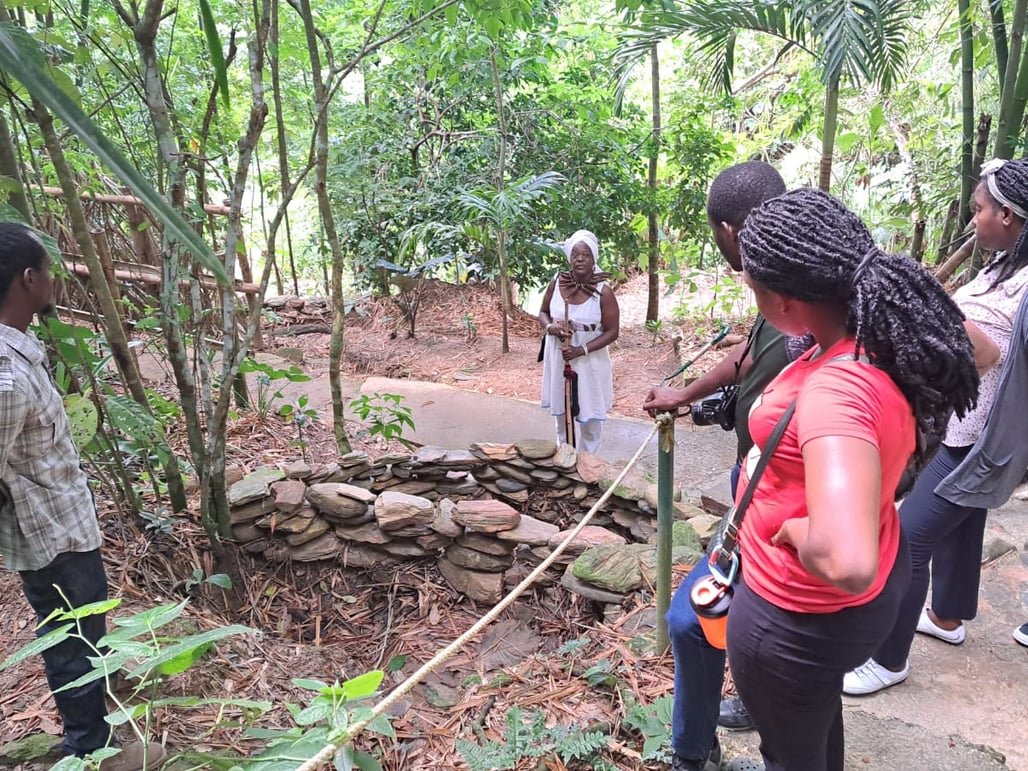
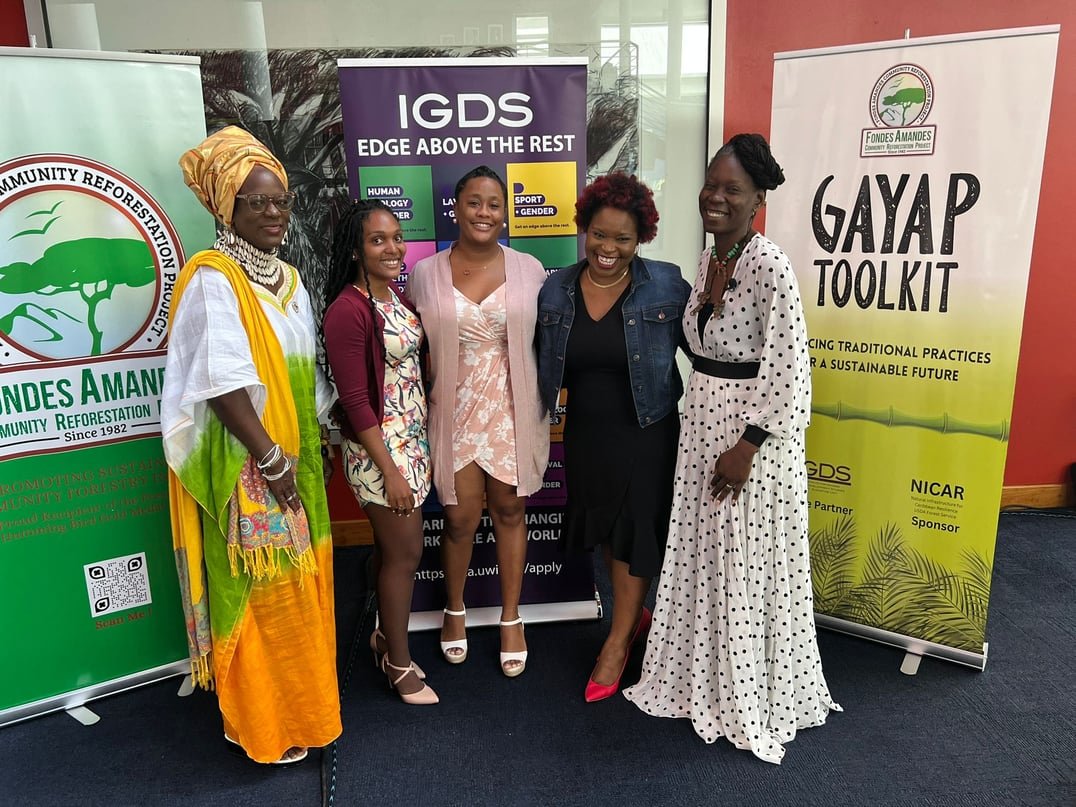
The Gayap Toolkit documents and shares traditional Gayap practices as practical, modern tools for community environmental problem-solving. Rooted in West African traditions of collective labour, the Gayap spirit has driven FACRP's community work since its founding — the toolkit makes this wisdom accessible to communities across Trinidad & Tobago.
Launched in 2023 with an updated edition in 2024, the toolkit covers collective firebreak clearing, tree planting coordination, traditional ecological knowledge transfer, and participatory watershed management.
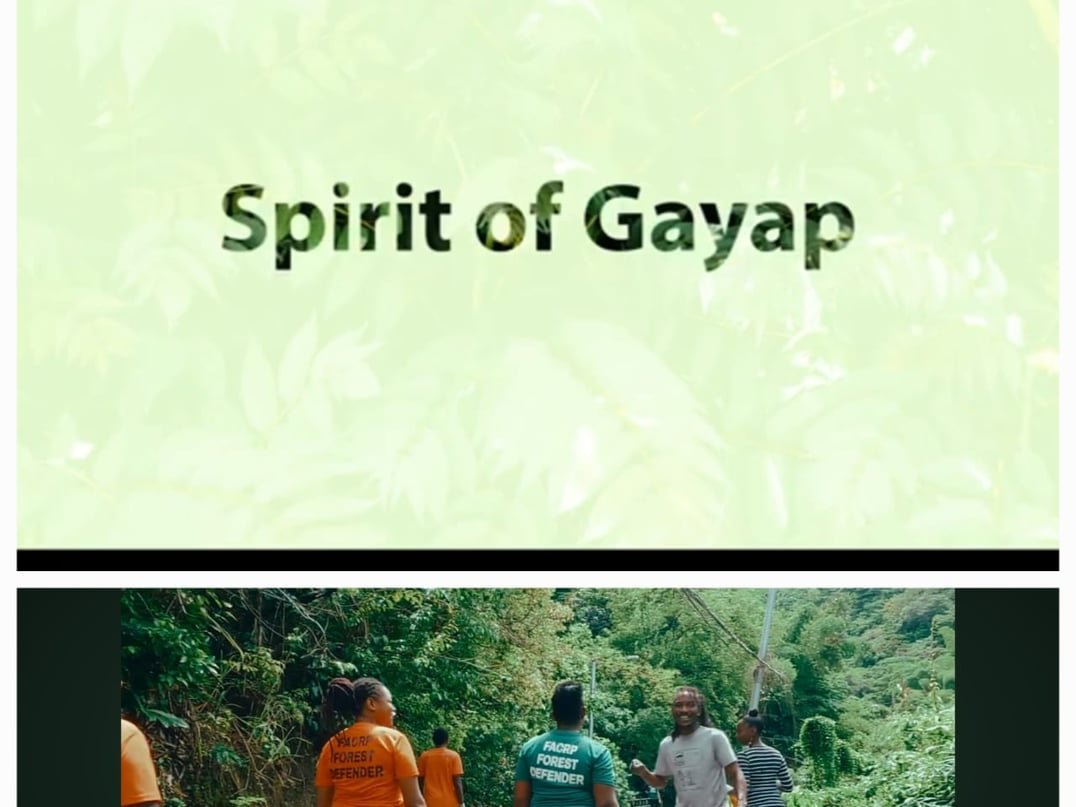
A short documentary film bringing the Gayap tradition to life on screen — capturing the community spirit, ecological wisdom, and lived experience of FACRP's Forest Defenders. The film is both a cultural preservation tool and an advocacy piece for community-based environmental action.
Screened at community events and used in educational settings across Trinidad, Spirit of Gayap documents the stories of those who have dedicated years — in some cases, decades — to protecting the Fondes Amandes hillsides.
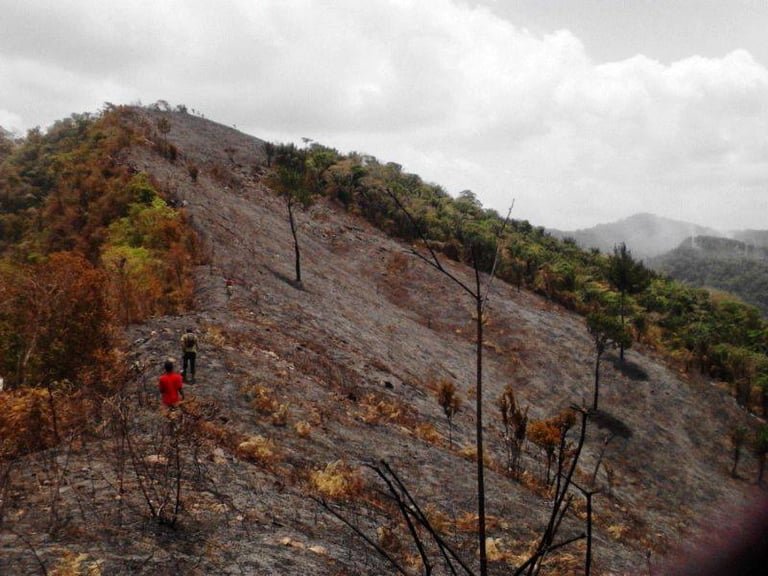
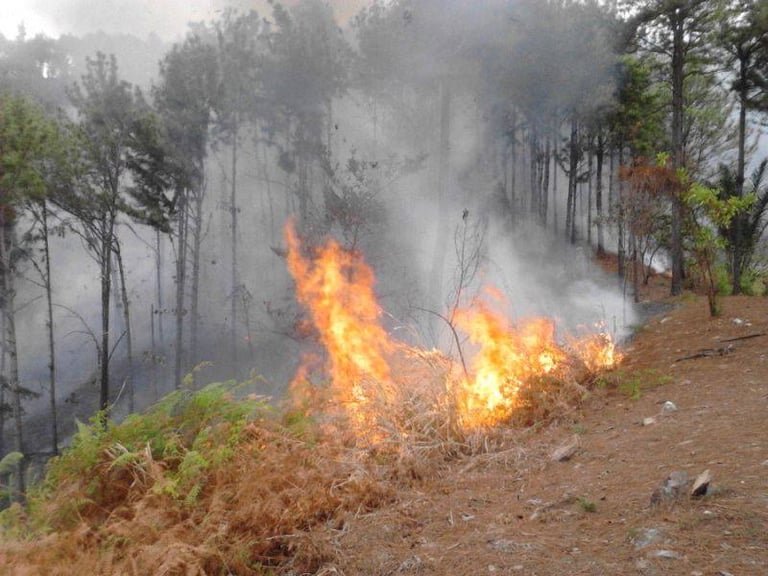
Each dry season, FACRP launches a coordinated public awareness campaign across radio, social media, and community engagement — educating the public about fire risks, responsible land use, and how to report and respond to fires in the hills.
In 2025, in partnership with F1 Agency, the campaign earned a Gold ADDY Award for Best Public Service Advertising — recognising the creative and reach of a campaign that put endangered species and watershed protection front and centre in the national conversation.
A landmark infrastructure achievement — FACRP completed construction of a new 24-foot fire observation tower at the Fondes Amandes site in 2024. The tower dramatically extends the visual range for early fire detection across the St. Ann's hillsides, providing advance warning that is critical during the dry season when fires can spread rapidly.
The tower is staffed during high-risk periods by trained FACRP volunteers and integrates with the organisation's wider early warning and rapid response system.
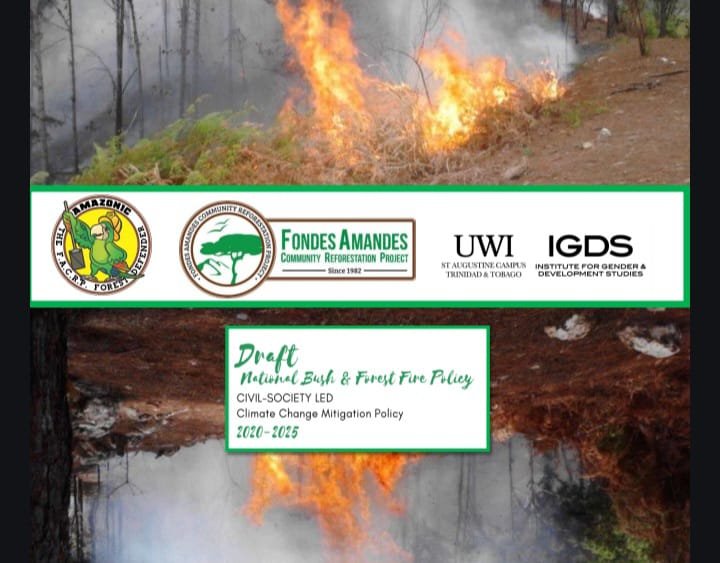
FACRP spearheaded the development of a Draft National Bush and Forest Fire Policy for Trinidad and Tobago — a civil society–led initiative that broadens stakeholder participation, strengthens collaboration between civil society and the State, and creates a structured framework to reduce bush and forest fires while minimising their impacts.
The policy advocates for enhanced inter-agency coordination, community fire response teams, prescribed burning protocols, and public education standards — drawing on FACRP's four decades of on-the-ground fire management experience.
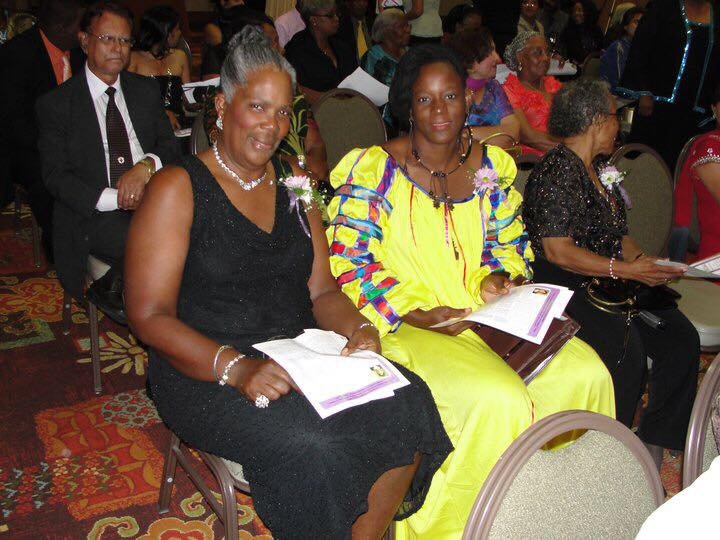
FACRP actively participates in national and international climate policy processes, bringing community perspectives and women's voices into spaces where decisions about forests, fire, and land use are made.
As a women-led NGO, FACRP advances gender equity in environmental decision-making — supporting women's participation in forest management, fire response, and conservation leadership at community, national, and international levels.
Partners include the Huairou Commission, Women's Environment and Development Organization (WEDO), Caribbean Policy Development Centre (CPDC), and Caribbean Community Climate Change Centre (CCCCC).
These multi-year programmes represent the backbone of FACRP's impact — sustained, community-rooted initiatives that have run across administrations, funding cycles, and generations.
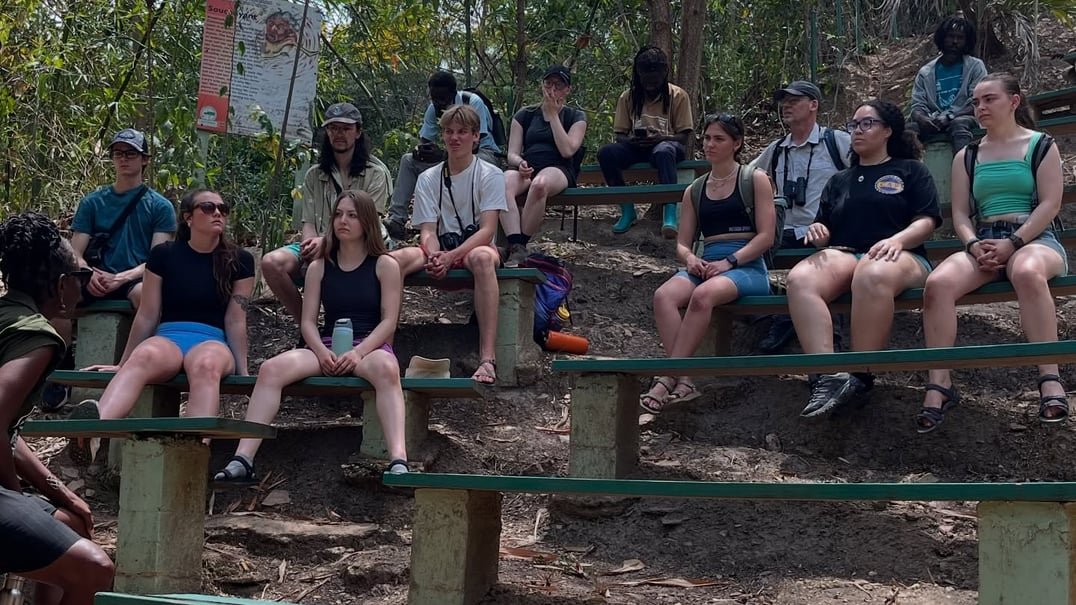
A flagship annual field school programme delivered in partnership with Atlantic LNG, connecting thousands of primary and secondary school students to the Fondes Amandes watershed. Now in its tenth year of continuous programming — making it one of the longest-running environmental education initiatives in Trinidad & Tobago.
Curriculum-linked sessions cover fire ecology, native plant identification, watershed science, biodiversity monitoring, and community stewardship — with each visit leaving students with both knowledge and a personal stake in the forest's future.
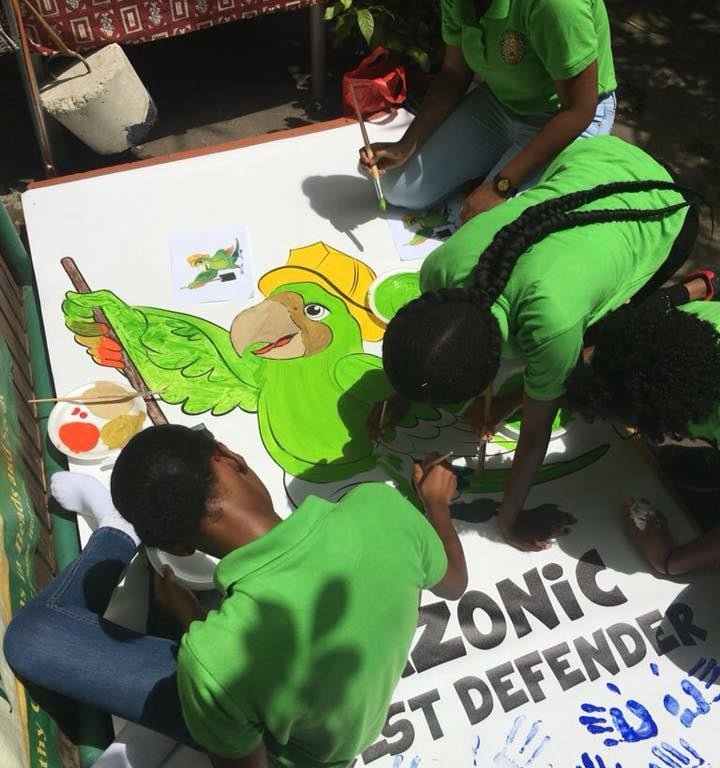
FACRP's Forest Defender educational character — Amazonic — is a proudly Caribbean mascot who delivers fire prevention, biodiversity, and watershed stewardship messages through storybooks, school visits, community events, and digital media.
The programme bridges the gap between environmental science and community storytelling, making complex ecological concepts accessible and inspiring to children and youth across Trinidad & Tobago.
Meet Amazonic
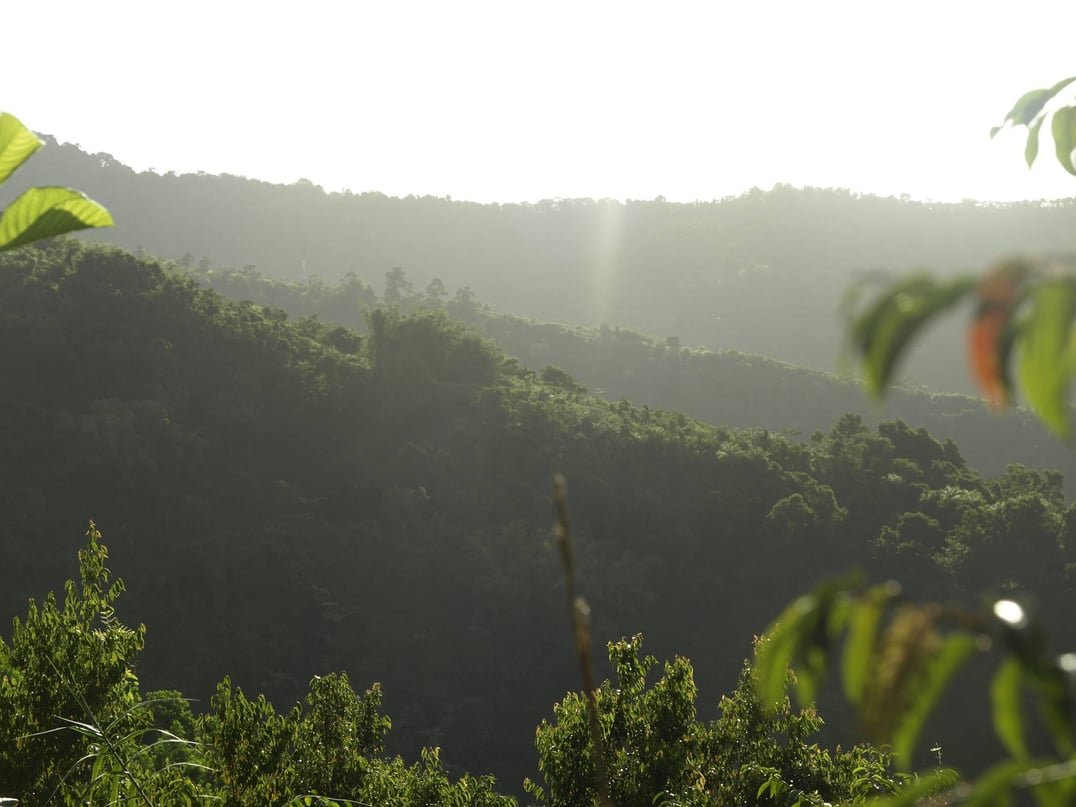
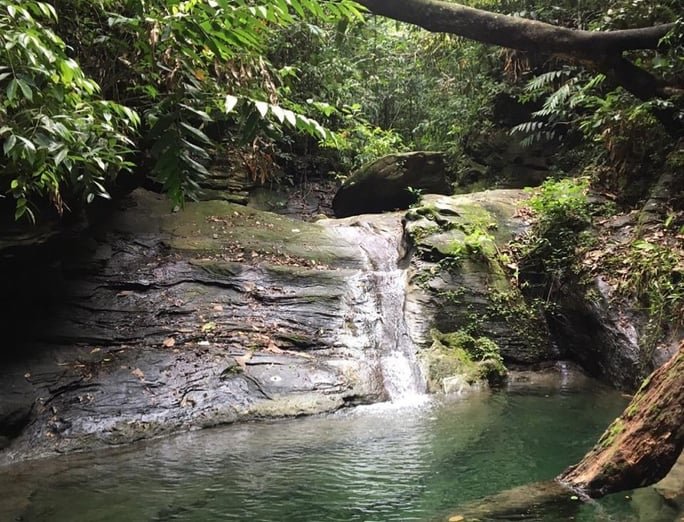
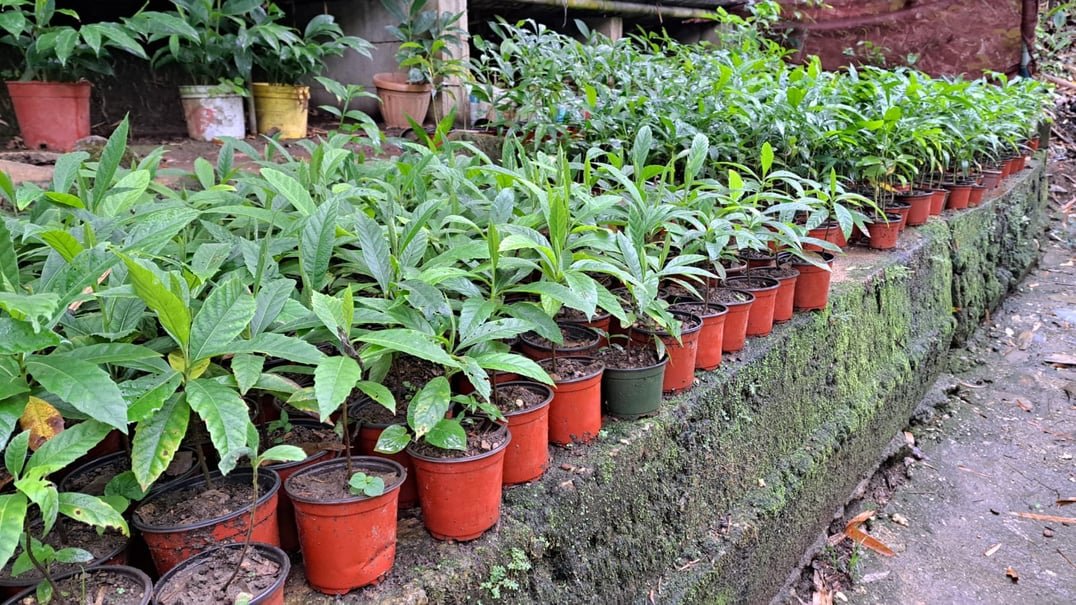
FACRP's most enduring programme — a continuous, community-led reforestation and watershed management initiative running since 2006. Over nearly two decades, the NRWRP has overseen the propagation and planting of over 200,000 native trees across the St. Ann's watershed, the construction and maintenance of check dams, and the systematic rehabilitation of hillside land degraded by repeated fires.
The programme integrates traditional ecological knowledge, modern conservation techniques, and participatory community governance — making it a model for scalable, community-led watershed management across the Caribbean.
A targeted research programme identifying and documenting native plant species with high resilience to climate variability — drought, increased temperature, and irregular rainfall — to inform future reforestation planting decisions across Trinidad's watersheds.
Installation of rainwater harvesting infrastructure at the Fondes Amandes site — capturing and storing rainwater for nursery irrigation and community use, demonstrating practical water conservation techniques transferable to surrounding hillside communities.
A five-year programme funded through the Green Fund (Ministry of Finance, T&T), establishing sustainable agroforestry practices, community governance structures, and economic livelihood models built around responsible forest management. A precursor to the current NRWRP model.
A partnership with BG Group to strengthen FACRP's institutional capacity for watershed management — including improved data collection, governance frameworks, volunteer training systems, and long-term monitoring of the St. Ann's watershed's ecological health.
The initial phase of the Amazonic Forest Defender programme concluded in 2023 — having produced the storybook, online educational series, and community appearance programme. Phase 2 and ongoing appearances continue. Learn more →
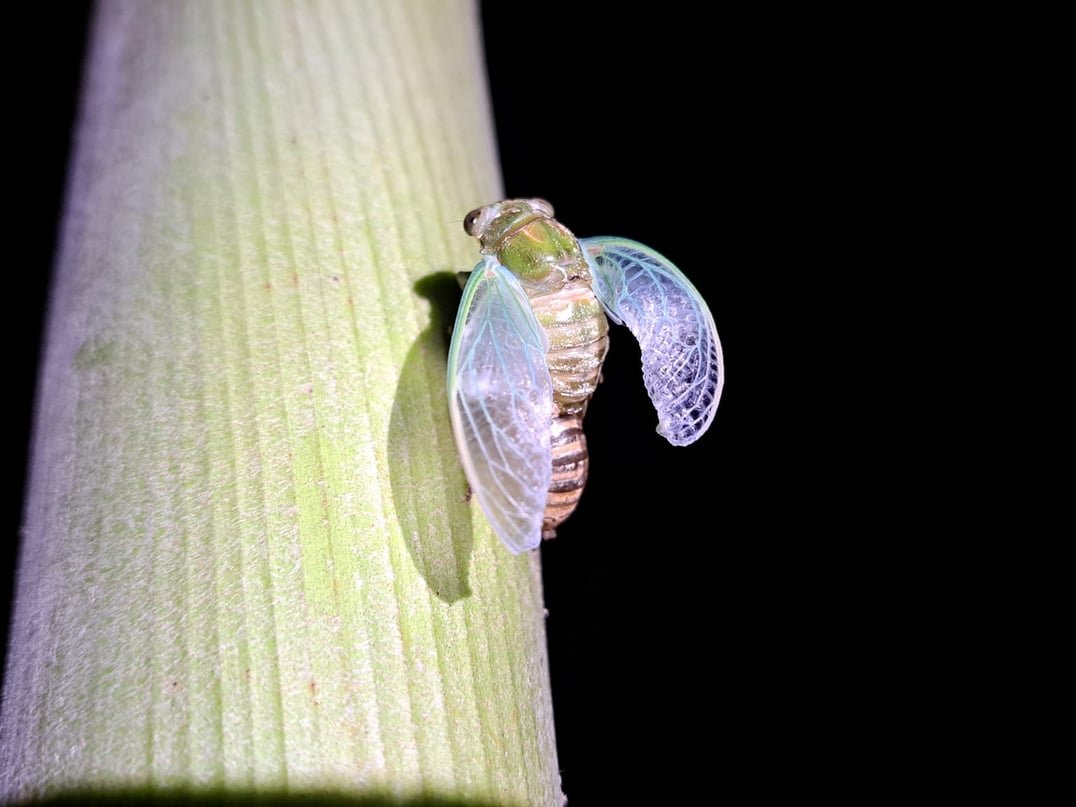
Community-led wildlife monitoring using iNaturalist to build a living database of native species sightings across Trinidad & Tobago. Open to participation from anyone — expert or novice — with a smartphone and curiosity about local wildlife.
Every project FACRP runs is powered by community commitment, partnership support, and the generosity of donors who believe in protecting Trinidad's forests. Join us.
Get Involved Meet Our Team